Clear Acrylic Sheets: Sizes, Thicknesses & Wholesale Supply
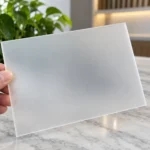
Clear acrylic sheets are transparent plastic panels made from polymethyl methacrylate (PMMA). Known for their excellent optical clarity, lightweight structure, and versatile fabrication properties, they are widely used in advertising, retail displays, architectural decoration, protective panels, and industrial manufacturing.Compared with ordinary glass, clear acrylic sheets are significantly lighter and easier to cut, drill, engrave, and thermoform. These properties make them a practical material for commercial displays, transparent structures, and custom fabrication projects.Alands Plastic manufactures and supplies clear acrylic sheets in a wide range of thicknesses, standard sheet sizes, and customized specifications. We provide bulk material solutions for wholesalers, distributors, fabrication companies, and industrial buyers worldwide.

1. Key Properties of Clear Acrylic Sheets
Clear acrylic sheets combine high transparency, good weather resistance, and convenient processing characteristics. Understanding their material properties helps buyers choose suitable sheets for different commercial and industrial applications.
Excellent Transparency and Optical Clarity
High-quality clear PMMA sheets can achieve visible light transmission of approximately
92%, providing excellent transparency and a clear viewing experience.This makes them suitable for display cases, transparent partitions, protective covers, advertising light boxes, and other applications where optical clarity is important.When purchasing clear acrylic sheets, buyers should also consider surface quality, thickness consistency, and the absence of visible bubbles, impurities, or optical distortion.
Lightweight and Easy to Handle
Acrylic has a density of approximately
1.2 g/cm³, making it roughly half the weight of ordinary glass with the same dimensions.For large sheets and bulk shipments, the lower weight simplifies handling, transportation, and installation. It can also reduce the physical demands of cutting and fabrication.
Excellent Fabrication Versatility
Clear acrylic sheets can be processed using several manufacturing techniques, including:
- Laser cutting and CNC routing
- Drilling, slotting, and mechanical cutting
- Heat bending and thermoforming
- Edge polishing and finishing
- Bonding and component assembly
Different acrylic manufacturing methods offer different processing characteristics. Buyers should select the appropriate sheet grade according to their cutting, forming, and fabrication requirements.
Good Weather Resistance
Clear acrylic sheets made from suitable outdoor-grade PMMA offer good weather resistance and can maintain their appearance and transparency under appropriate environmental conditions.For outdoor signage, architectural decoration, and long-term exposure to sunlight, buyers should confirm the material grade, UV performance, and expected service conditions before purchasing.
2. Clear Acrylic Sheet Sizes and Thicknesses
Clear acrylic sheets are commonly supplied in full-sheet formats. Depending on the market, buyers may specify dimensions in millimeters, feet, or inches.Alands offers several standard sheet formats and can discuss customized dimensions for bulk orders.
Standard Clear Acrylic Sheet Sizes
| Sheet Size | Typical Applications |
|---|
| 1220 × 2440 mm (4 × 8 ft) | Signage, displays, fabrication, and wholesale distribution |
| 1220 × 1830 mm (4 × 6 ft) | Medium-sized displays and fabrication projects |
| 1250 × 2450 mm | Commercial panels and industrial processing |
| 2050 × 3050 mm | Large displays, architectural projects, and signage |
| 1020 × 2020 mm | Specialized fabrication and manufacturing applications |
Among these sizes,
4×8 clear acrylic sheets are especially popular for commercial fabrication and wholesale distribution.The standard 4 × 8 ft format is compatible with many common cutting and processing systems, making it convenient for distributors to stock and manufacturers to process.
Clear Acrylic Sheet Thickness Options
Choosing the correct sheet thickness depends on the intended application, support structure, loading conditions, and installation requirements.
| Thickness | Common Applications |
|---|
| 3 mm | Advertising displays, signage, and lightweight decorative panels |
| 5 mm | Display boxes, retail fixtures, and transparent partitions |
| 8 mm | Larger display structures and selected protective panels |
| 10 mm | Industrial partitions, display equipment, and transparent components |
| 15 mm | Thick display structures and industrial fabrication |
| 20 mm | Thick-sheet processing and specialized transparent components |
| 30 mm and above | Specialized engineering and thick acrylic fabrication projects |
These thickness recommendations are general references. Final material selection should consider panel span, mechanical loads, mounting methods, and applicable safety requirements.For customized sizes and thicknesses, Alands can review production feasibility based on the specifications and order volume.
Cast vs. Extruded Acrylic: Understanding the Differences
When sourcing clear acrylic sheets, buyers should consider not only dimensions and thickness but also the manufacturing process.The two main types are cast acrylic sheets and extruded acrylic sheets. Both are manufactured from PMMA, but their processing characteristics and production methods differ.3. Cast vs. Extruded Clear Acrylic Sheets
Cast Clear Acrylic Sheets
Cast acrylic sheets are produced through a casting process and generally offer excellent machining, engraving, and polishing properties.They are commonly selected for premium displays, decorative components, industrial fabrication, and applications requiring thicker acrylic materials.Cast acrylic can be an appropriate choice when the project involves detailed machining, specialized shapes, or demanding finishing requirements.Extruded Clear Acrylic Sheets
Extruded acrylic sheets are manufactured through a continuous extrusion process. They generally offer good thickness consistency and can provide cost advantages for certain standardized applications.They are commonly used in advertising displays, standard panels, and repeat-production fabrication projects.Processing settings, especially for heating, forming, and machining, should be adjusted according to the specific extrusion grade.Which Type Should You Choose?
For projects involving complex engraving, extensive machining, or thick-sheet fabrication, cast acrylic is often worth evaluating.For standardized applications where thickness consistency and bulk purchasing costs are important, extruded acrylic may be suitable.The final choice should depend on project requirements, fabrication methods, material grades, and available specifications.4. Common Applications of Clear Acrylic Sheets
Clear acrylic sheets are used across numerous commercial and industrial sectors. Their combination of transparency, lightweight construction, and fabrication flexibility makes them suitable for a wide range of finished products.Advertising Signs and Retail Displays
Clear acrylic sheets are frequently used for product display stands, retail fixtures, signage covers, light box components, and transparent display structures.The transparent appearance allows the displayed merchandise to remain the visual focus, making acrylic suitable for retail stores, exhibitions, shopping centers, and commercial interiors.Transparent Partitions and Protective Panels
Acrylic sheets can be fabricated into transparent dividers, equipment observation windows, machine covers, and selected industrial protective panels.They provide visibility into equipment or working areas while creating a physical separation.For applications requiring certified impact protection or machine guarding, buyers must verify that the selected material and complete installation meet the relevant safety standards.Furniture and Interior Decoration
Clear acrylic sheets are used in decorative furniture panels, transparent shelves, display cabinets, and interior design components.Cutting, polishing, and heat bending allow manufacturers to create different sizes and shapes according to their product designs.Industrial Fabrication and Custom Components
Industrial fabricators use clear acrylic sheets to manufacture equipment covers, transparent machine components, inspection windows, and custom fabricated parts.For these applications, thickness tolerance, dimensional consistency, and surface quality can be especially important.Aquariums and Transparent Tanks
Suitable grades and thicknesses of cast acrylic sheets can also be used for aquariums, transparent tanks, and other water-containing structures.These projects require appropriate engineering calculations based on water pressure, structural dimensions, bonding methods, and safety factors.Material suitability should never be determined by sheet thickness alone.5. Clear Acrylic Sheets vs. Glass and Polycarbonate
Clear acrylic, ordinary glass, and transparent polycarbonate sheets are commonly considered for applications requiring visibility and transparency.However, each material has different advantages in terms of weight, fabrication, optical properties, and impact performance.
| Property | Clear Acrylic | Ordinary Glass | Clear Polycarbonate |
|---|
| Transparency | High | High | High |
| Weight | Lightweight | Relatively heavy | Lightweight |
| Impact Resistance | Higher than ordinary glass | Relatively low | Generally higher than acrylic |
| Fabrication | Easy to cut and machine | Requires specialized processing | Easy to cut and machine |
| Scratch Resistance | Moderate | Generally good | Moderate |
| Typical Advantage | Optical clarity and fabrication flexibility | Surface hardness | High impact resistance |
If optical clarity, appearance, and fabrication versatility are the main priorities, clear acrylic sheets are often a practical material choice.If the application demands significantly higher impact resistance, polycarbonate sheets should also be evaluated.
6. What Affects Clear Acrylic Sheet Wholesale Prices?
The price of clear acrylic sheets varies according to thickness, dimensions, material type, order volume, and manufacturing requirements.For wholesale purchasing, comparing only the price per sheet may not provide an accurate picture of the total material cost.Sheet Thickness and Material Weight
Acrylic sheet pricing is influenced by raw material consumption and production costs.For sheets with the same dimensions and material density, thicker panels require more PMMA material and therefore generally cost more per sheet.Cast or Extruded Acrylic
Cast and extruded acrylic sheets have different production methods and cost structures.Even when dimensions and thicknesses are identical, their prices may differ due to manufacturing processes and material grades.Bulk Order Quantity
Bulk purchasing can help reduce unit production, packaging, and transportation costs.For distributors and manufacturers requiring regular material supplies, providing estimated annual demand and purchasing quantities can help suppliers prepare appropriate pricing proposals.Customized Sizes and Processing Requirements
Special dimensions, custom cutting, non-standard thicknesses, additional quality inspections, and special packaging may affect the final quotation.International buyers should also consider freight charges, shipping methods, and destination port expenses.For an accurate wholesale quotation, provide your required sheet dimensions, thickness, material type, quantity, and destination port.7. Why Choose Alands for Wholesale Clear Acrylic Sheets?
For distributors and industrial buyers, consistent material quality, reliable specifications, and export capabilities are often more important than simply finding the lowest price per sheet.Alands Plastic supplies transparent PMMA sheets and other plastic sheet materials to international wholesale and industrial markets.
Multiple Sizes and Thicknesses
Alands supplies standard 4 × 8 ft clear acrylic sheets and other common dimensions, including popular thicknesses such as 3 mm, 5 mm, 8 mm, 10 mm, 15 mm, and 20 mm.Customers can confirm the availability of specific sizes and thicknesses according to their purchasing requirements.For additional specifications and related products, visit our
clear acrylic sheet product category.
Wholesale Supply for Distributors and Fabricators
Alands primarily serves plastic sheet distributors, advertising material wholesalers, industrial fabricators, and project purchasing companies.Our standard wholesale minimum order quantity is
1,000 kg. Mixed orders involving different thicknesses or sheet sizes may be discussed according to the specific requirements.
Surface Protection and Quality Requirements
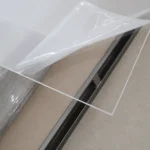
Surface protection is important when storing, handling, and transporting transparent acrylic sheets.Alands clear acrylic sheets are supplied with protective film on both sides to help reduce surface scratching during normal handling, storage, and transportation.Customers with specific quality requirements can discuss sheet thickness tolerance, surface appearance, and other technical specifications before order confirmation.
Export Packaging and Bulk Delivery
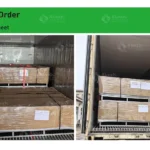
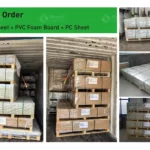
For palletized and container-load orders, Alands can arrange suitable export packaging according to the sheet dimensions and shipping requirements.Packaging methods and transportation arrangements can be confirmed based on order quantity, delivery terms, and destination.8. How to Order Clear Acrylic Sheets from Alands
If you are looking for clear acrylic sheets in bulk, providing detailed purchasing specifications will help us review your requirements and prepare a more accurate quotation.
- Sheet Size: Specify your required dimensions, such as 1220 × 2440 mm or 2050 × 3050 mm.
- Thickness: Indicate the required thickness, such as 3 mm, 5 mm, 8 mm, or 10 mm.
- Material Type: Choose cast or extruded acrylic. If you are unsure, explain the intended application.
- Order Quantity: Provide the number of sheets, estimated total weight, or container requirements.
- Shipping Destination: Include the destination country, port, and preferred delivery terms.
Our sales team will review your requirements and confirm suitable specifications, production arrangements, packaging options, and pricing information.Whether you need standard 4 × 8 ft clear acrylic sheets or large-format transparent PMMA sheets for a specific project, Alands can help you evaluate a suitable bulk supply solution.
9. Frequently Asked Questions About Clear Acrylic Sheets
Q1. Are clear acrylic sheets the same as Plexiglass?
Clear acrylic sheets generally refer to transparent PMMA sheets. Plexiglass and Plexiglas are also commonly associated with acrylic materials, although PLEXIGLAS is a specific brand name. Buyers should confirm the actual PMMA material, manufacturing process, and grade before purchasing.Q2. What are the most common clear acrylic sheet thicknesses?
Common thicknesses include 3 mm, 5 mm, 8 mm, and 10 mm. Thinner sheets are often used for signage, decoration, and displays, while thicker sheets may be selected for industrial and structural applications. Final thickness selection depends on the project requirements.Q3. Can clear acrylic sheets be used outdoors?
Yes. Suitable grades of transparent PMMA offer good weather resistance and can be used for outdoor signage and decorative applications. For long-term exposure, buyers should confirm the material grade, UV performance, and relevant technical requirements.Q4. Does Alands supply 4×8 clear acrylic sheets?
Yes. The 1220 × 2440 mm format is a common sheet size supplied by Alands. Customers can inquire about the availability of different thicknesses based on their order quantities.Q5. What is the minimum order quantity for Alands clear acrylic sheets?
The standard wholesale MOQ is 1,000 kg. Mixed orders containing different thicknesses or sizes may be arranged depending on the specific order requirements.Q6. How can I get a wholesale quotation for clear acrylic sheets?
Please provide the required sheet dimensions, thickness, material type, purchasing quantity, and destination port. Alands can review these specifications and provide an appropriate wholesale quotation and export supply proposal.