

Global Acrylic Sheets Market Trends 2026–2031
The global acrylic sheets market continues to expand as demand for lightweight, transparent, and versatile materials grows across construction, signage, automotive manufacturing, and electronics.
According to Mordor Intelligence’s Acrylic Sheets Market Report, the market was valued at approximately USD 5.22 billion in 2025 and is estimated to reach USD 5.58 billion in 2026. By 2031, it is projected to grow to USD 8.14 billion, representing a compound annual growth rate (CAGR) of 7.84% between 2026 and 2031.
Growth is coming from more than conventional clear acrylic sheets. Weather-resistant grades, optical materials, thicker cast sheets, and specialty products designed for industrial fabrication are creating new opportunities across the supply chain.
For acrylic sheet manufacturers, distributors, and importers, these developments are changing purchasing priorities. Buyers are paying closer attention to optical performance, fabrication requirements, outdoor durability, and supply consistency alongside price and sheet dimensions.
Global Acrylic Sheets Market Size and Growth Forecast
Acrylic sheets are primarily manufactured from polymethyl methacrylate (PMMA), a transparent thermoplastic widely used in commercial displays, architectural features, industrial components, and protective panels.
Clear PMMA sheets can achieve light transmission of approximately 92% while weighing roughly half as much as glass of equivalent thickness. Their combination of clarity, relatively low weight, and fabrication flexibility makes them suitable for a wide range of applications.
Global Market Size at a Glance
| Market Indicator | Value |
|---|---|
| Global market size in 2025 | USD 5.22 billion |
| Estimated market size in 2026 | USD 5.58 billion |
| Forecast market size in 2031 | USD 8.14 billion |
| Forecast CAGR, 2026–2031 | 7.84% |
| Largest regional market in 2025 | Asia-Pacific |
| Leading product type in 2025 | Cast acrylic sheets |
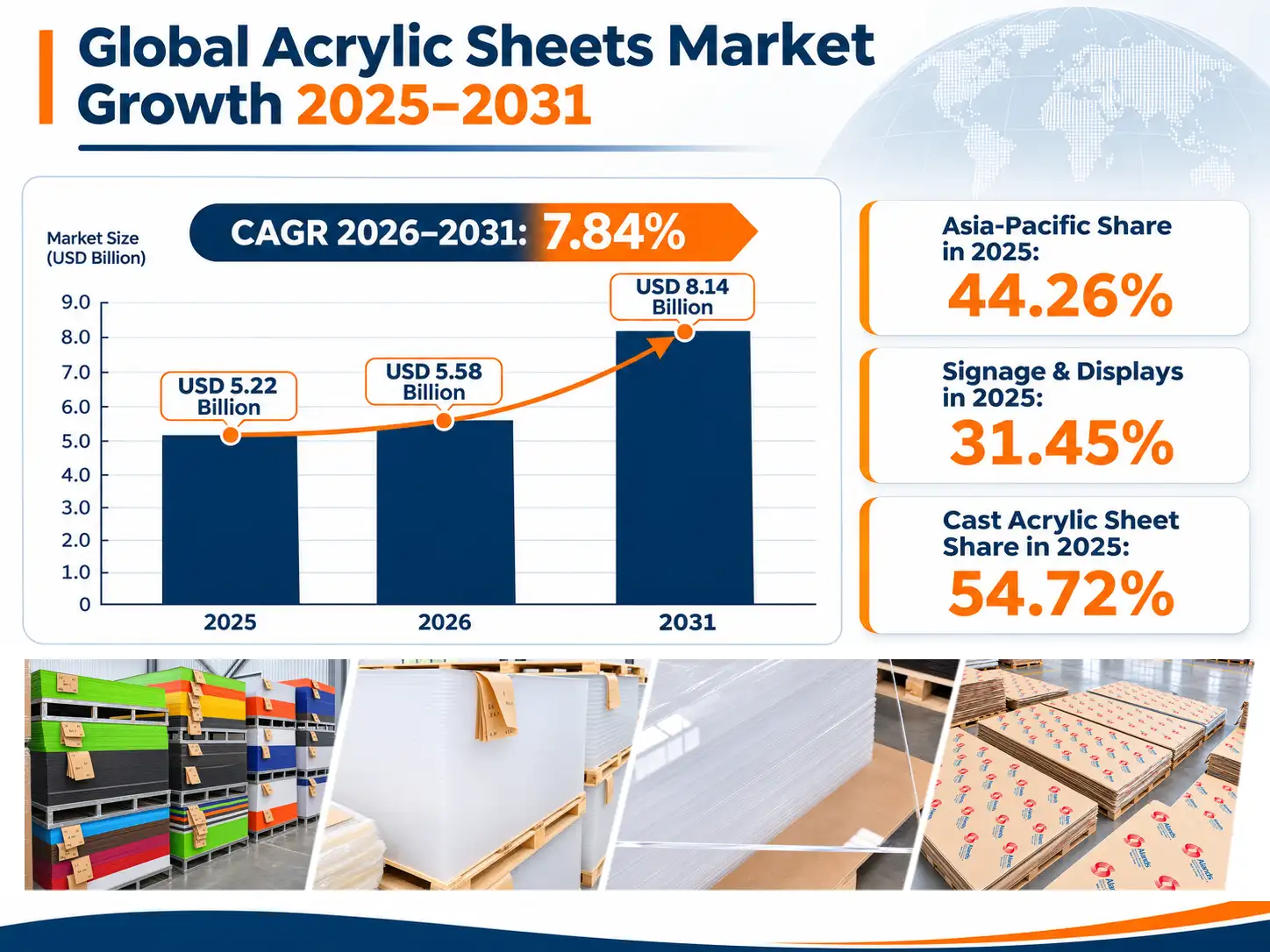
Market estimates and forecasts: Mordor Intelligence, Acrylic Sheets Market Report.
These figures represent market estimates and forecasts rather than guaranteed annual growth. Actual performance will depend on construction activity, industrial production, raw material costs, and economic conditions across major markets.
Signage and Displays Remain a Major Market for Acrylic Sheets
Signage and display applications continue to account for a substantial share of global acrylic sheet consumption.
According to Mordor Intelligence, signage and displays represented 31.45% of the acrylic sheets market in 2025.
Retail signage, exhibition displays, illuminated advertising, and branded installations remain important sources of demand. At the same time, manufacturers are increasingly looking for materials that deliver more than basic transparency and color.
LED Signage Is Driving Demand for Specialized Acrylic
Traditional clear and colored acrylic sheets are widely used in sign manufacturing, but illuminated displays introduce additional material requirements.
Backlit signs need consistent light diffusion. Illuminated letters require reliable color and light transmission. LED lightboxes benefit from panels that distribute light evenly without creating distracting bright spots.
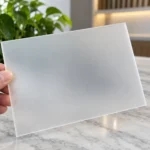
These requirements are creating opportunities for opal acrylic sheets, light-diffusing grades, and other materials developed for illuminated applications. Frosted acrylic sheets may also be suitable for certain visual effects, although frosted finishes and engineered light-diffusing grades are not interchangeable.
For sign material distributors, carrying a range of thicknesses is no longer the only consideration. Product selections may also need to accommodate UV printing, laser cutting, LED signage, and decorative retail displays.
A broader selection of application-specific materials allows distributors to serve different fabrication businesses without relying entirely on standard clear acrylic sheets.
Construction and Interior Design Support Long-Term Demand
Construction accounted for 29.83% of acrylic sheet market revenue by end-user industry in 2025, making it the largest end-user category in the report.
Clear acrylic sheets are used in selected architectural and interior applications where clarity, lower weight, and fabrication flexibility are valued.
Common applications include:
- Transparent architectural features and selected glazing applications
- Interior partitions, display walls, and decorative panels
- Greenhouse and other transparent covering systems
- Custom furniture and commercial interior fittings
- Selected transparent barriers and acoustic enclosure components
Acrylic sheets are not direct replacements for structural glazing or safety-rated materials in every application. Material selection must account for the relevant building requirements, loads, and installation conditions.
Outdoor Applications Place Greater Emphasis on Weather Resistance
Outdoor installations expose acrylic sheets to sunlight, temperature changes, moisture, and other environmental conditions.
As a result, buyers increasingly need to evaluate UV resistance, color stability, thermal expansion, and expected service conditions rather than selecting products solely by thickness or transparency.
In 2026, Röhm introduced ACRYLITE SunResist for outdoor protective-layer applications, reflecting continued investment in weather-resistant acrylic technology.
However, outdoor performance varies by product grade and formulation. For architectural projects and long-term outdoor installations, buyers should review the manufacturer’s technical specifications and select materials tested for the intended environment.
Cast vs Extruded Acrylic Sheets: Market Share and Growth
The acrylic sheets market is broadly divided into two main manufacturing categories: cast acrylic sheets and extruded acrylic sheets.
Mordor Intelligence reports that cast acrylic sheets accounted for 54.72% of market revenue in 2025, while extruded acrylic sheets are projected to grow at a CAGR of approximately 8.22% from 2026 to 2031.
Each manufacturing process serves different requirements, and both remain important to the global supply chain.
Cast Acrylic Sheets Maintain a Leading Market Position
Cast acrylic sheets are commonly specified for applications requiring particular optical characteristics, thickness options, or fabrication performance.
Depending on the grade, they are used in architectural components, aquariums, display installations, and thick transparent panels.
Cast acrylic is particularly relevant to buyers sourcing thicker sheets, custom dimensions, and specialized colors. For projects involving sheets above 20mm, buyers often consider thick acrylic sheet grades that can meet the required dimensional and mechanical specifications.
Product consistency still varies between manufacturers. Thickness tolerance, material grade, and fabrication performance should be verified before bulk purchasing.
Extruded Acrylic Sheets Benefit From Standardized Production
Extruded acrylic sheets are produced through a continuous manufacturing process, offering advantages in production efficiency and dimensional consistency for suitable grades.
They are widely used in signage, transparent covers, formed components, and other applications requiring standardized sheet specifications.
For buyers placing repeat orders with consistent dimensions and processing requirements, extruded acrylic can be a cost-effective option.
Neither process is universally better. The appropriate choice depends on the required thickness, optical properties, machining or forming method, and overall project cost.
Automotive and Electronics Applications Offer Growth Opportunities
Beyond construction and advertising, automotive manufacturing and electronics are creating additional demand for PMMA-based materials.
Mordor Intelligence identifies the following projected growth rates:
| Market Segment | Forecast CAGR, 2026–2031 |
|---|---|
| Automotive and transportation applications | 8.57% |
| Electrical and electronics end-user industry | 8.73% |
These figures refer to different market segmentation categories and should not be interpreted as directly comparable market shares.
Automotive Manufacturers Are Exploring Lightweight Materials
Automotive manufacturers use PMMA in selected lighting systems, exterior components, and interior applications.
Examples include light-guiding components, instrument display covers, and exterior parts requiring specific optical or weathering properties.
In 2025, Mitsubishi Chemical and Honda collaborated on the use of recycled PMMA in automotive door visors, illustrating growing interest in recycled materials within the automotive supply chain.
This development does not mean standard commercial acrylic sheets are automatically suitable for automotive production. Automotive applications typically require additional material qualification, consistent performance, and compliance with specific manufacturing standards.
Electronics Create Demand for Optical-Grade Materials
PMMA is also used in display components, light-diffusing panels, protective covers, and electronic enclosures.
As lighting and display technologies evolve, manufacturers are placing greater emphasis on optical consistency, light transmission, diffusion performance, and surface characteristics.
These applications may require specialized acrylic grades rather than standard transparent sheets. For suppliers, the opportunity lies in understanding the technical requirements of different customer industries rather than competing solely on price.
Regional Outlook for the Global Acrylic Sheets Market
Acrylic sheet demand spans multiple regions, but manufacturing capacity, end-use applications, and purchasing patterns vary considerably.
Asia-Pacific: The Largest Regional Market
Asia-Pacific accounted for 44.26% of the global acrylic sheets market in 2025, making it the largest regional market.
Mordor Intelligence forecasts a regional CAGR of 8.53% between 2026 and 2031.
China has an extensive supply chain covering upstream raw materials, acrylic sheet manufacturing, fabrication, and exports.
India, Vietnam, and Indonesia also contribute to regional demand through construction, retail development, and commercial display applications.
Japan and South Korea represent established markets for selected architectural materials and OEM applications.
For Asian manufacturers and exporters, the region offers both market opportunities and substantial competition. Standard acrylic sheet products are widely available, making consistent quality, product selection, and reliable delivery important considerations for international customers.
North America and Europe: Demand for Application-Specific Performance
North America and Europe are established markets for acrylic materials used in construction, automotive manufacturing, signage, and industrial fabrication.
Buyers in these regions may require detailed technical documentation, stable production specifications, and evidence that materials meet relevant performance requirements.
Commercial distributors continue to source clear, colored, mirrored, and frosted acrylic sheets for signage and fabrication customers.
Industrial buyers may place greater emphasis on thickness tolerance, machining performance, surface characteristics, and traceable material specifications.
For exporters serving these markets, understanding the intended application is often just as important as providing a competitive quotation.
Middle East, Africa, and South America: Opportunities for Imported Sheets
Countries such as Brazil and Argentina have demand for acrylic sheets in construction, advertising, commercial interiors, and fabrication.
In the Middle East, building developments and commercial projects create opportunities for transparent and decorative materials.
Some markets have limited domestic production capacity for certain acrylic sheet grades and continue to rely on imports.
For international suppliers, purchasing decisions in these regions often involve more than the factory price. Ocean freight, delivery schedules, packaging, local sheet-size preferences, and inventory availability can all influence the final purchasing decision.
Demand differs significantly between countries, so suppliers should evaluate individual markets rather than treating an entire region as one customer segment.
Key Challenges Facing the Acrylic Sheets Industry
Market expansion does not necessarily translate into higher margins for manufacturers and distributors.
Raw material price fluctuations, competition, and increasingly specialized performance requirements continue to affect the industry.
MMA Price Volatility Influences Acrylic Sheet Costs
Methyl methacrylate (MMA) is a key raw material used in PMMA production.
Changes in MMA prices can affect acrylic sheet manufacturing costs and, in turn, supplier quotations.
For large-volume orders, raw material fluctuations may also influence quotation validity and purchasing schedules.
Importers planning regular shipments should therefore consider price validity, production lead times, and supply stability alongside the initial unit price.
Surface Performance Requirements Are Becoming More Specialized
Although acrylic offers excellent optical clarity, standard grades are not equally suited to every high-contact or abrasive environment.
Public installations, automotive interiors, and frequently handled display equipment may require enhanced scratch resistance or specialized surface coatings.
These higher-performance materials can carry different pricing and processing requirements from conventional acrylic sheets.
Buyers should identify the performance characteristics they actually need before selecting a grade.
Recycled PMMA Is Receiving Greater Attention
Parts of the plastics industry in Europe and North America are increasing their focus on material recovery and recycled content.
Acrylic producers are also developing recycled PMMA materials and related recycling technologies.
However, recycled content must be considered alongside optical properties, processing consistency, and the requirements of the final application.
Where appearance or performance specifications are critical, buyers should verify the material grade and supporting test data before approving production.
What These Market Trends Mean for Acrylic Sheet Wholesalers
As the acrylic sheet market becomes more specialized, wholesalers and importers have an opportunity to build product ranges around customer applications rather than competing exclusively on price.
Build Product Ranges Around Customer Industries
Signage distributors often need clear, colored, mirrored, opal, and frosted acrylic sheets to support different advertising and display projects.
Industrial fabricators may prioritize machinability, dimensional tolerances, and consistency between production batches.
Architectural and interior design customers may require larger sheet sizes, thicker materials, or specific outdoor performance.
A single product range will not necessarily meet the needs of all these customers. Understanding the industries served by each distributor helps determine which thicknesses, colors, finishes, and material grades are worth keeping in stock.
Consider the Total Cost of Bulk Purchasing
The cost of importing acrylic sheets extends beyond the price per sheet.
Cutting waste, packaging, freight, handling, and inventory management all contribute to the total cost.
For example, a distributor purchasing several thicknesses and colors may be able to manage inventory more efficiently by planning the product mix around actual customer demand.
Where suppliers support mixed orders, combining different sheet specifications in one shipment may also help improve container utilization.
The most economical purchasing strategy depends on order volume, material weight, dimensions, and local sales requirements.
Verify Product Specifications Before Bulk Orders
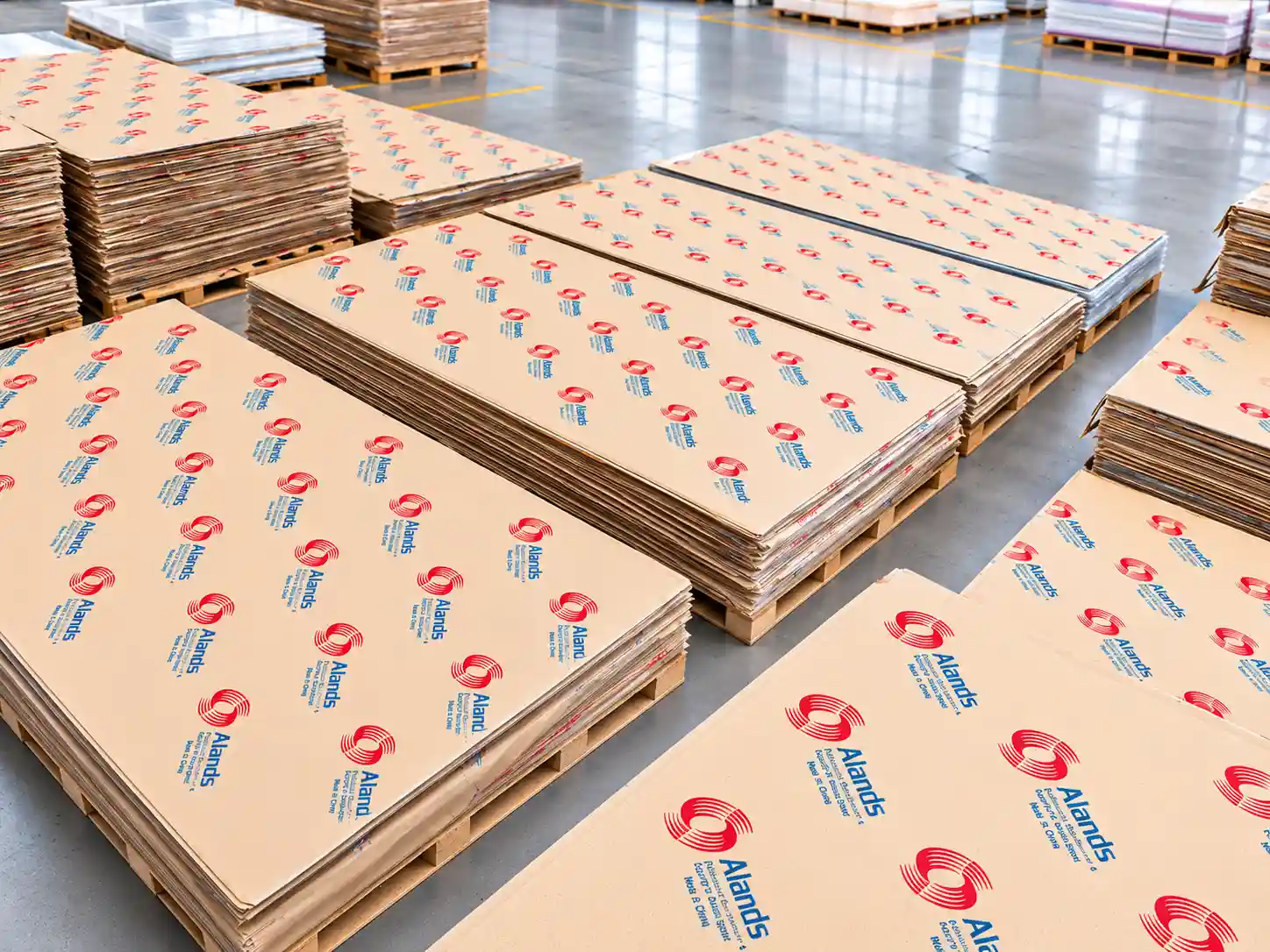
Thickness tolerance, light transmission, surface quality, and fabrication performance can affect the quality of the finished product.
These details are particularly important when sourcing large-format sheets, thick acrylic panels, laser-cutting materials, or customized colors.
Buyers should review product specifications and, where appropriate, test samples before approving a bulk order.
For long-term supply relationships, reliable quality between batches and consistent delivery can be as important as a competitive price.
Frequently Asked Questions About the Acrylic Sheets Market
How large is the global acrylic sheets market in 2026?
According to Mordor Intelligence, the global acrylic sheets market is estimated at USD 5.58 billion in 2026 and is projected to reach USD 8.14 billion by 2031, representing a forecast CAGR of 7.84%.
Which type of acrylic sheet has the largest market share?
Cast acrylic sheets accounted for 54.72% of global acrylic sheet market revenue in 2025, making them the leading manufacturing category in the report.
What are the main applications of acrylic sheets?
Major applications include signage, commercial displays, architectural features, interior decoration, automotive components, electronics, and industrial fabrication. Signage and displays represented 31.45% of the market in 2025.
Which region has the largest acrylic sheets market?
Asia-Pacific was the largest regional market in 2025, accounting for 44.26% of global market revenue. The region combines extensive manufacturing capacity with demand from construction, advertising, and industrial applications.
Which acrylic sheet products are worth watching in the coming years?
Weather-resistant acrylic sheets, light-diffusing materials, custom thick sheets, specialty surface-treated products, and recycled PMMA are areas worth monitoring. Their commercial potential will depend on specific applications, regional demand, and technical requirements.
References and Research Notes
This article draws on publicly available findings from Mordor Intelligence’s Acrylic Sheets Market Size, Share & 2031 Growth Trends Report, with additional analysis focused on international wholesale purchasing, material selection, and supply considerations.
Market size, market shares, and growth rates are attributed to Mordor Intelligence. Market values are expressed in US dollars.
Recommendations concerning product selection, sample evaluation, freight planning, and purchasing practices are independent B2B industry analysis and should not be interpreted as conclusions or endorsements by the research provider.
Market forecasts are inherently uncertain. Actual results may differ because of changes in raw material costs, regional demand, technological developments, and broader economic conditions.