




How Do I Clean and Maintain Acrylic Sheets? Can I Use Alcohol-Based Cleaners?
Acrylic sheets are valued for their glossy surface, optical clarity, and lightweight durability. However, cleaning them the same way as glass or ordinary plastic can lead to scratches, clouding, or surface damage.
To keep acrylic sheets clear and polished, it is important to know which cleaners are safe and which products should be avoided.
Can You Use Alcohol-Based Cleaners on Acrylic?
No. Alcohol-based cleaners are not recommended for acrylic sheet surfaces. Acrylic is sensitive to certain chemicals, and unsuitable cleaners can cause crazing, hazing, loss of clarity, or long-term surface damage.
Cleaners You Should Avoid on Acrylic Sheets
Acrylic sheets can react negatively to chemicals commonly found in household and industrial cleaning products.
Alcohol
Avoid rubbing alcohol, ethanol, and other alcohol-based cleaning solutions.
Ammonia-Based Cleaners
Conventional glass cleaners containing ammonia can damage acrylic surfaces.
Acetone
Acetone and products such as nail polish remover should not be used on acrylic sheets.
Abrasive Cleaning Materials
Avoid abrasive powders, rough sponges, and scouring pads that can scratch the surface.
Possible Damage from Unsuitable Cleaners
- Surface crazing: Fine microcracks can form on or below the surface.
- Loss of optical clarity: The sheet may become cloudy or hazy.
- Yellowing or discoloration: Chemical exposure can affect appearance.
- Brittleness: Repeated exposure may reduce long-term surface performance.
Safe and Effective Way to Clean Acrylic Sheets
For routine cleaning, use a simple combination of gentle materials:
Microfiber Cloth
Use a clean, soft microfiber cloth that will not scratch the acrylic surface.
Mild Dish Soap
A small amount of mild dish soap is suitable for removing fingerprints and light surface grime.
Lukewarm Water
Use lukewarm clean water for washing and rinsing the acrylic sheet.
Step-by-Step Cleaning
- Prepare the cleaning solution. Mix a few drops of mild dish soap with lukewarm water in a bowl or spray bottle.
- Wipe gently. Use a soft microfiber cloth to clean the acrylic surface without applying excessive pressure.
- Rinse thoroughly. Remove all soap residue with clean water.
- Dry carefully. Use a second clean microfiber cloth. Avoid paper towels, which can create fine scratches.
This method is suitable for removing dust, fingerprints, and normal surface dirt without damaging the sheet.
How to Remove Dust and Static from Acrylic Sheets
Acrylic can attract dust because of static electricity. Dry wiping should be avoided because trapped particles may scratch the surface.
Anti-Static Plastic Cleaners
Specialized anti-static cleaners can help remove dust while reducing static buildup on the acrylic surface.
Acrylic Sheet Polishes
Dedicated acrylic polishes, such as products designed specifically for clear plastics, can clean the surface and leave a dust-resistant finish.
Fixing Minor Scratches on Acrylic Sheets
Light surface scratches can often be reduced or removed with suitable polishing products and careful finishing.
- Acrylic scratch remover: Designed specifically for polishing light marks from acrylic surfaces.
- Fine wet/dry sandpaper: 600–1200+ grit can be used carefully as part of a controlled repair process.
- Plastic polishing kit: Useful for restoring the appearance of larger scratched areas.
Deep scratches or gouges may require machine polishing or replacement of the affected sheet.
Maintenance Tips for Long-Term Clarity
Clean Regularly
Remove dust and dirt before heavy buildup develops.
Avoid Dry Wiping
Use water or an acrylic-safe cleaning solution before wiping the surface.
Keep Protective Film in Place
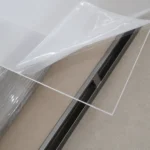
Leave protective film on the sheets during transport and installation whenever possible.
Store with Proper Support
Store acrylic sheets with suitable support to reduce the risk of warping or surface damage.
Proper cleaning and handling help acrylic sheets retain their shine and transparency for years, including in high-traffic and outdoor applications.
Keep Your Acrylic Sheets Looking Like New
Acrylic is lightweight, clear, and durable, but maintaining its appearance depends on proper cleaning. Avoid harsh chemicals, use soft cleaning materials, and choose products designed for acrylic surfaces.
Whether you are maintaining protective screens, display cases, signage, furniture, or other acrylic products, gentle routine care can help preserve surface clarity and appearance.