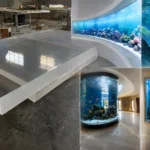





Colored Acrylic Sheets for Lighting and Architecture
Lighting defines how a space feels. When paired with innovative materials, it becomes an important part of architectural design. Colored acrylic sheets are widely used in lighting and architectural applications because they interact with light while offering durability, color variety, and design flexibility.
Why Acrylic in Lighting?
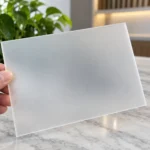
Unlike glass, acrylic can diffuse light evenly while being less prone to breakage. It is available in translucent, opaque, and fluorescent finishes, allowing designers to create different lighting effects for interior and architectural projects.
Advantages of Colored Acrylic for Lighting
Light Diffusion
Creates soft, uniform illumination for interior lighting and decorative applications.
Edge Glow Effect
Fluorescent acrylic sheets can produce vivid edge-glow effects when combined with LED strips.
Weather Resistance
Suitable grades can be used for outdoor lighting features and architectural installations.
Design Freedom
Acrylic sheets can be cut, bent, and shaped into customized architectural details and lighting components.
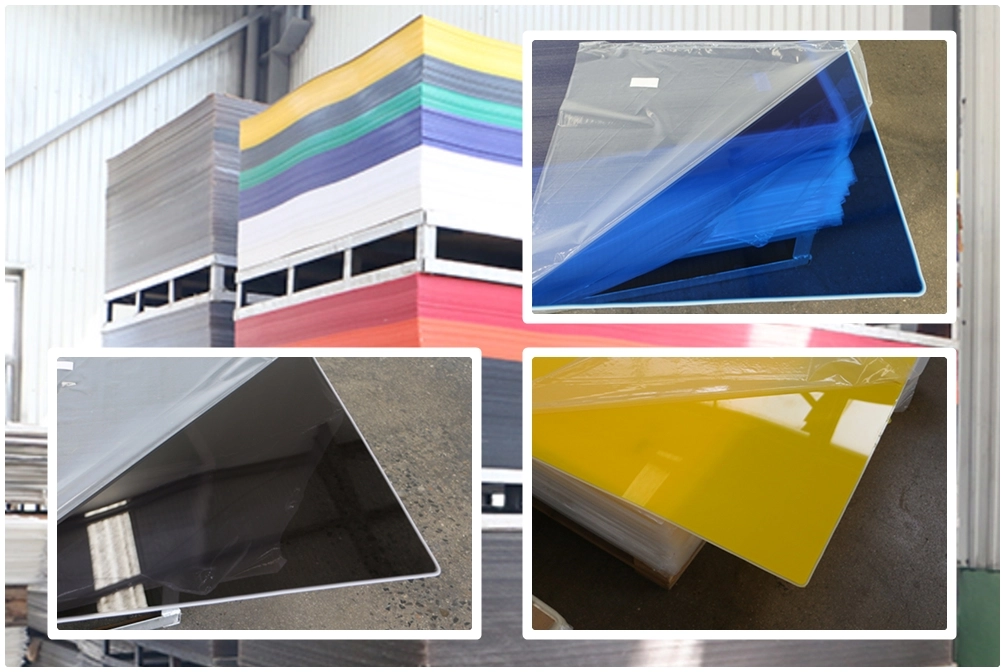
Lighting and Architectural Applications
- Lamp Shades: Produce warm or cool tones depending on the selected acrylic color.
- Light Boxes: Create illuminated signage for retail, hospitality, exhibitions, and commercial interiors.
- Architectural Skylights: Introduce color-filtered natural or artificial light into interior spaces.
- Outdoor Features: Weather-resistant acrylic panels can be used for illuminated exterior installations.
Design Tips
Allow for Thermal Expansion
Provide suitable clearance when framing or fixing acrylic panels so the material can expand and contract.
Use Energy-Efficient LEDs
LED lighting can provide long service life and controlled illumination for acrylic lighting installations.
Combine Different Finishes
Translucent and opaque acrylic sheets can be layered to create depth, contrast, and more complex lighting effects.
Shaping Light with Colored Acrylic
Colored acrylic sheets can transform ordinary lighting into a distinctive visual feature. Their ability to diffuse light, create edge-glow effects, and be fabricated into custom forms makes them useful in modern interiors, illuminated displays, and architectural projects.