



Acrylic Mirrors vs. Two-Way Mirrors: Key Differences
As an acrylic mirror manufacturer, Alands supplies mirror sheets for decorative, advertising, display, safety, and customized applications. Acrylic mirrors are lightweight and impact-resistant, while two-way mirrors are designed to combine reflection with partial light transmission.
Understanding the difference between these two mirror types helps buyers select the right material for their project requirements.
1. Basic Characteristics of Acrylic Mirrors
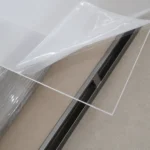
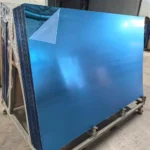
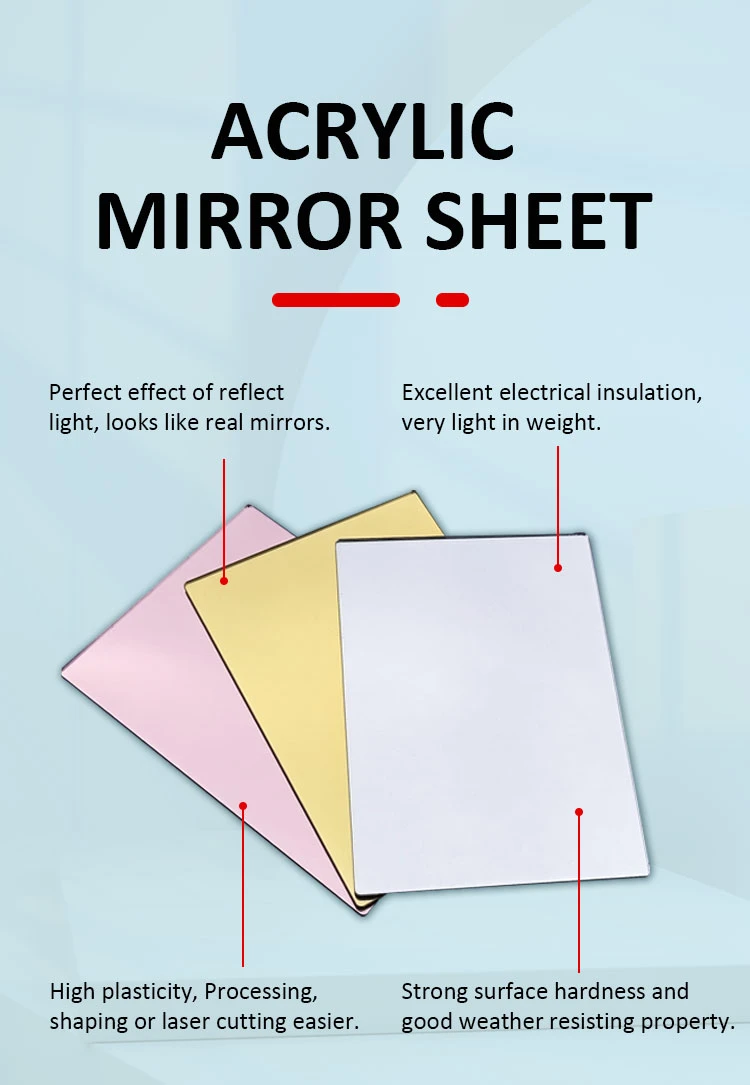
Acrylic mirrors are produced from acrylic sheet with a reflective coating applied to one side. Compared with traditional glass mirrors, they are lighter, easier to handle, and less likely to shatter.
Decorative Mirrors
Used for interior decoration, commercial spaces, furniture, wall panels, and display installations.
Advertising Displays
Suitable for retail displays, exhibition structures, decorative signage, and reflective advertising elements.
Traffic and Safety Applications
Acrylic mirror sheets can be used for selected safety mirrors and reflective applications where low weight and impact resistance are required.
2. Characteristics of Two-Way Mirrors
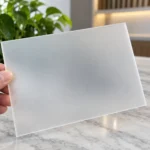
Two-way mirrors, also called one-way mirrors, use a partially reflective coating that allows part of the light to be reflected and part to pass through. The one-way viewing effect depends largely on the lighting difference between the two sides.
Observation Areas
Used in observation rooms and other applications where viewing from one side is required under controlled lighting conditions.
Privacy Applications
Can be incorporated into windows, partitions, and customized installations that require both reflection and partial transparency.
Exhibitions and Displays
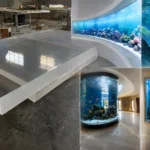
Used in exhibition structures and creative installations to produce reflective and transparent visual effects.
3. Acrylic Mirrors vs. Two-Way Mirrors
| Feature | Acrylic Mirror | Two-Way Mirror |
|---|---|---|
| Optical Effect | Mainly reflective | Partially reflective and partially transmissive |
| Structure | Acrylic sheet with reflective backing | Special semi-reflective coating |
| Typical Applications | Decoration, displays, signage, safety mirrors | Observation, privacy, exhibitions, special displays |
| Weight | Lightweight | Depends on the selected substrate and structure |
4. Choosing the Right Mirror
Choose a standard acrylic mirror when the project mainly requires a reflective surface with low weight and better resistance to breakage than traditional glass.
Choose a two-way mirror when the application requires both reflection and controlled visibility through the mirror. Lighting conditions, substrate, coating, dimensions, and installation environment should all be considered before production.
Alands supplies standard acrylic mirrors and customized two-way mirror solutions. Send us your required size, thickness, mirror type, quantity, and application so we can recommend a suitable specification.