




What Is the Best Material for a Cat Litter Box? Acrylic Explained
Acrylic for Cat Litter Box Manufacturing
Material selection affects the durability, cleaning, appearance, and processing of a cat litter box. Acrylic sheet is one option for pet product manufacturers looking for a rigid, smooth, lightweight, and customizable material.
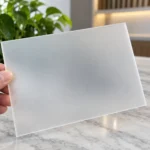
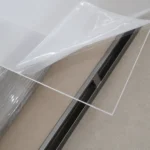
Acrylic can be supplied in clear, colored, glossy, and other decorative finishes, making it suitable for both functional litter box structures and visually distinctive pet products.

1. Why Acrylic Works Well for Cat Litter Boxes
- Smooth, Non-Porous Surface: Acrylic does not readily absorb liquids, making the surface easier to clean and helping reduce retained residue and odor.
- Durable Structure: Acrylic provides good rigidity and impact resistance for fabricated pet product enclosures.
- Multiple Visual Options: Clear, colored, glossy, and customized finishes can be selected according to product design requirements.
- Lightweight: Acrylic is lighter than glass and ceramic, making finished products easier to move and handle.
Suitable for: Pet product manufacturers, brands, distributors, and customized product projects requiring a clean appearance and flexible fabrication.
2. Acrylic Compared with Other Cat Litter Box Materials
| Material | Advantages | Limitations | Compared with Acrylic |
|---|---|---|---|
| Conventional Plastic | Lightweight, easy to clean, economical | Performance varies by plastic type and product grade | Acrylic provides a more rigid structure and more decorative surface options |
| Stainless Steel | Durable, hygienic, moisture-resistant | Metal appearance and fewer transparent design options | Acrylic provides greater transparency, color, and visual customization |
| Wood | Natural appearance and easy integration into furniture | Requires suitable surface treatment against moisture | Acrylic has a non-porous surface and is easier to clean |
| Ceramic | Smooth, hygienic, decorative | Heavy and susceptible to breakage | Acrylic is lighter and easier to fabricate into custom structures |
| Silicone | Flexible, lightweight, washable | Does not provide the same rigid structural form | Acrylic is better suited to rigid walls, panels, and enclosed structures |
3. Advantages of Acrylic in Cat Litter Box Design
Easy Cleaning and Maintenance
The smooth acrylic surface can be cleaned with warm water, mild soap, and a soft cloth. Non-abrasive cleaning materials help maintain the surface appearance.
This characteristic is useful for litter box manufacturers designing products that require regular cleaning and repeated daily use.


Smooth and Hygienic Surface
Acrylic has a smooth, non-porous surface that helps reduce liquid absorption and makes residues easier to remove during cleaning.
This makes the material suitable for pet product designs where surface cleanliness and easy maintenance are important.
Customizable Product Design
Acrylic sheets can be cut, drilled, bonded, formed, and fabricated into different dimensions and structures. Clear or colored panels can also be combined within the same product design.
This gives pet product manufacturers greater flexibility when developing transparent enclosures, side panels, doors, covers, and decorative components.


Recyclable Acrylic Material
Acrylic can be recycled through appropriate recovery and reprocessing systems. For manufacturers considering material recovery, production offcuts and end-of-life acrylic can be separated for suitable recycling channels where available.
Acrylic Sheet for Custom Pet Product Manufacturing
Acrylic is suitable for cat litter boxes that require a combination of rigidity, low weight, clean surfaces, transparency, color options, and customized fabrication.
For pet product manufacturers and distributors, the final sheet specification should be selected according to product dimensions, structural design, thickness, color, transparency, processing method, and order quantity.
Shared by www.alandsacrylic.com