Can Acrylic Sheets Get Wet?
Absolutely—they thrive in wet environments.
Acrylic sheets, also known as plexiglass or PMMA (polymethyl methacrylate), are not only visually appealing but also incredibly practical. One of their standout features is their excellent water resistance, which makes them a popular choice for both residential and commercial settings where moisture is a constant factor.
Why Acrylic Handles Water So Well
1. Non-Porous and Waterproof
Unlike wood or certain types of laminate, acrylic is non-porous, meaning it doesn’t absorb water. This gives it a major advantage in humid or wet areas—no swelling, rotting, or warping. Whether exposed to rain, splashes, or high humidity, acrylic maintains its shape and clarity.
2. Resistant to Corrosion and Mold
Because it doesn’t retain moisture, acrylic resists the growth of mold, mildew, and bacteria. That makes it a hygienic choice for bathrooms, kitchens, and healthcare settings.
3. Chemical Resistance
Acrylic can withstand exposure to many household cleaners and chemicals, which adds to its longevity in wet and steamy environments. Just avoid harsh abrasives that can dull its surface over time.
Common Wet-Area Applications for Acrylic
• Shower Enclosures and Panels
Acrylic sheets are frequently used as modern alternatives to glass in shower screens. They’re lightweight, shatter-resistant, and easy to clean.
• Backsplashes and Wall Panels
Kitchens and bathrooms benefit from acrylic’s seamless, glossy surface. It offers a sleek look while protecting walls from water damage and stains.
• Outdoor Signage
Thanks to its UV and water resistance, acrylic is a go-to material for outdoor signs that need to withstand rain and sun without deteriorating.
• Aquariums
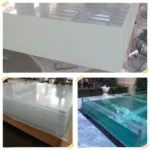
Yes, entire fish tanks are sometimes made from acrylic. It’s clear, impact-resistant, and much lighter than glass, making it a safer option for large displays.
• Boat and Marine Use
Acrylic is often used in boat windows, hatches, and windshields due to its clarity and resistance to saltwater corrosion.
Maintenance Tips for Acrylic in Wet Environments
Although acrylic performs well in moisture, here are a few tips to keep it looking great:
Clean with a soft cloth and mild soap
Avoid abrasive scrubbers or ammonia-based cleaners (like standard window sprays), which can cause micro-scratches or cloudiness.Polish regularly
For surfaces prone to scratches, consider using a plastic polish to restore shine and minimize wear.Seal the edges (if needed)
In high-pressure or submerged applications (like aquariums), ensure edges are properly sealed with silicone or acrylic bonding agents.
Final Verdict: Is Acrylic Good for Wet Areas?
Absolutely. Acrylic is waterproof, durable, and easy to maintain, making it one of the best materials for damp or wet conditions. Whether you’re renovating a bathroom, designing a kitchen backsplash, or building outdoor signage, acrylic sheets offer long-lasting performance with a modern, clean finish.
Just remember: while it resists water beautifully, it’s still a plastic—so be gentle with cleaning to avoid surface scratches. With the right care, your acrylic installations will stay crystal clear for years to come.