Flexibility of 2 mm Acrylic Sheets
Acrylic (also known as PMMA or plexiglass) is a transparent, glossy thermoplastic material widely used for display panels, light boxes, and protective covers. Many people wonder whether it is flexible and how much it can bend. In fact, the flexibility of an acrylic sheet depends not only on its thickness but also on its size, support span, and installation conditions.
Thickness and Rigidity
Although a 2 mm acrylic sheet is relatively thin, it still retains considerable stiffness. Compared with a 1 mm sheet, it is much more rigid, while being lighter than 3 mm or thicker sheets. In general, a 2 mm sheet can be slightly bent, but if it is bent too sharply while cold, it will easily turn white or crack.
Size and Support
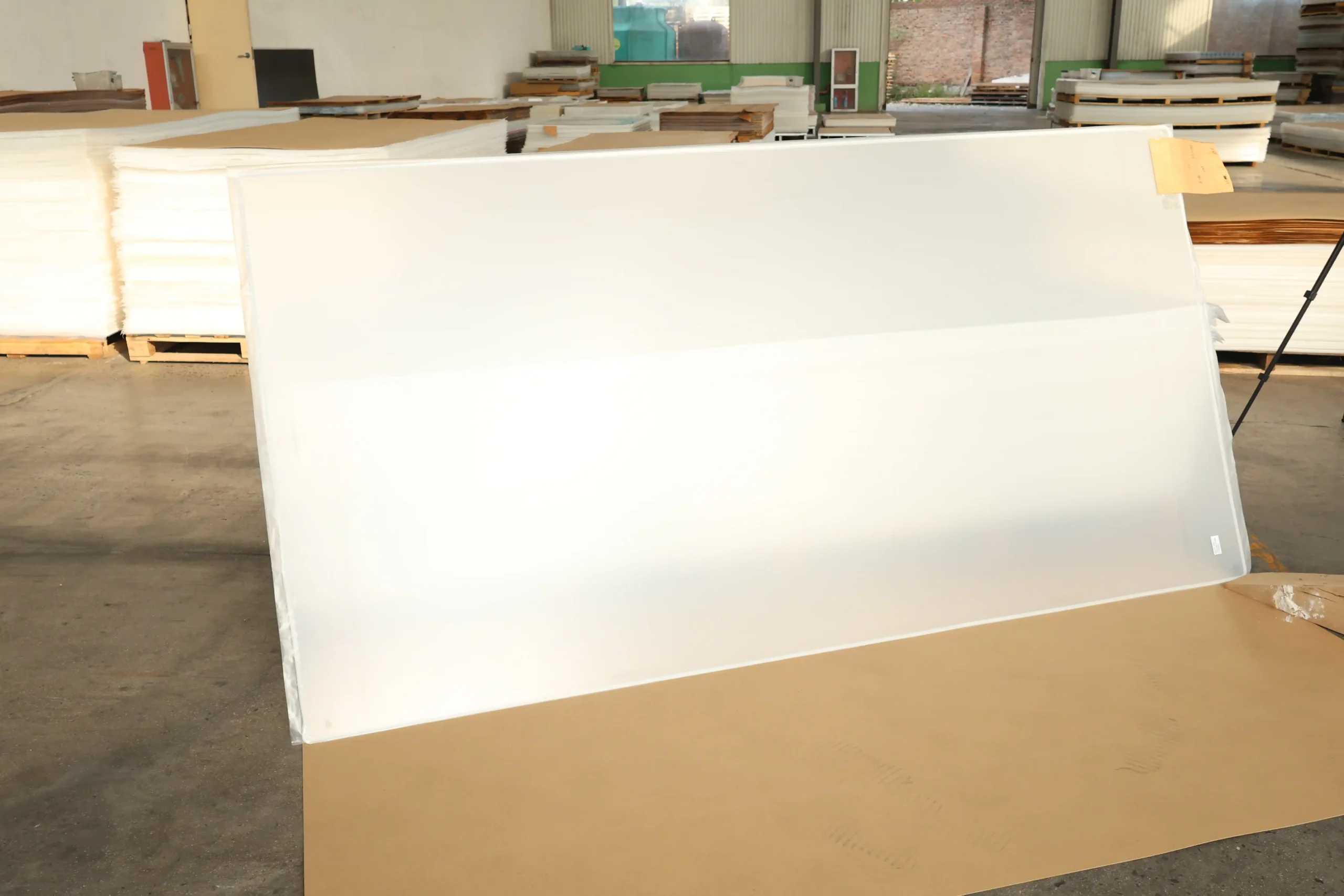
Flexibility is also directly related to the sheet’s dimensions. Bending stiffness increases with the cube of thickness but decreases with the fourth power of span length. Therefore, as the distance between support points increases, the “flexible feel” of a 2 mm acrylic sheet rises dramatically.
When the span is under 200–300 mm (about the size of an A4 sheet), it still feels quite rigid.
When it exceeds 400 mm, it may sag under its own weight.
When it reaches 600 mm or more or is supported only at the ends, it bends easily and may crack.
To keep the sheet flat, you should reduce the effective span or add reinforcement bars or an aluminum frame at the back.
Material and Installation Recommendations
If greater flexibility is desired, PETG or polycarbonate (PC) are better alternatives, as they are more impact-resistant and less brittle when cold. When installing acrylic, leave small expansion gaps and use rubber washers to avoid stress concentration caused by temperature changes or external pressure.
Is a 2mm acrylic sheet flexible?
Overall, a 2 mm acrylic sheet has slight elasticity but remains relatively rigid. It is well suited for small- to medium-sized display or decorative applications. However, if you want to achieve noticeable bending or shaping, it should be done by heat bending: once the acrylic is heat-formed, it will no longer “live-bend” in the same spot during use, making it much safer.