Unique Material Advantages of Acrylic Panels
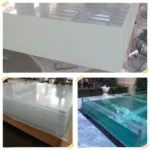
Acrylic, often referred to as “crystal plastic,” is a material with exceptional transparency, boasting a light transmittance of over 92%—comparable to glass. At the same time, it is lighter, more impact-resistant, and easier to process. Compared with traditional wood or metal cabinets, acrylic panels create a more modern, airy, and visually extended effect.
High transparency: Helps cabinets “blend in” with the environment and reduces visual heaviness.
Lightweight: Easier to transport and install.
Weather resistance: Quality acrylic does not easily yellow or degrade, making it suitable for long-term use.
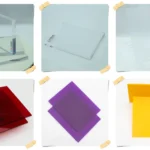
Versatility: Panels can be customized in different colors, shapes, or combined with lighting for creative displays.
Design Applications of Acrylic Cabinets
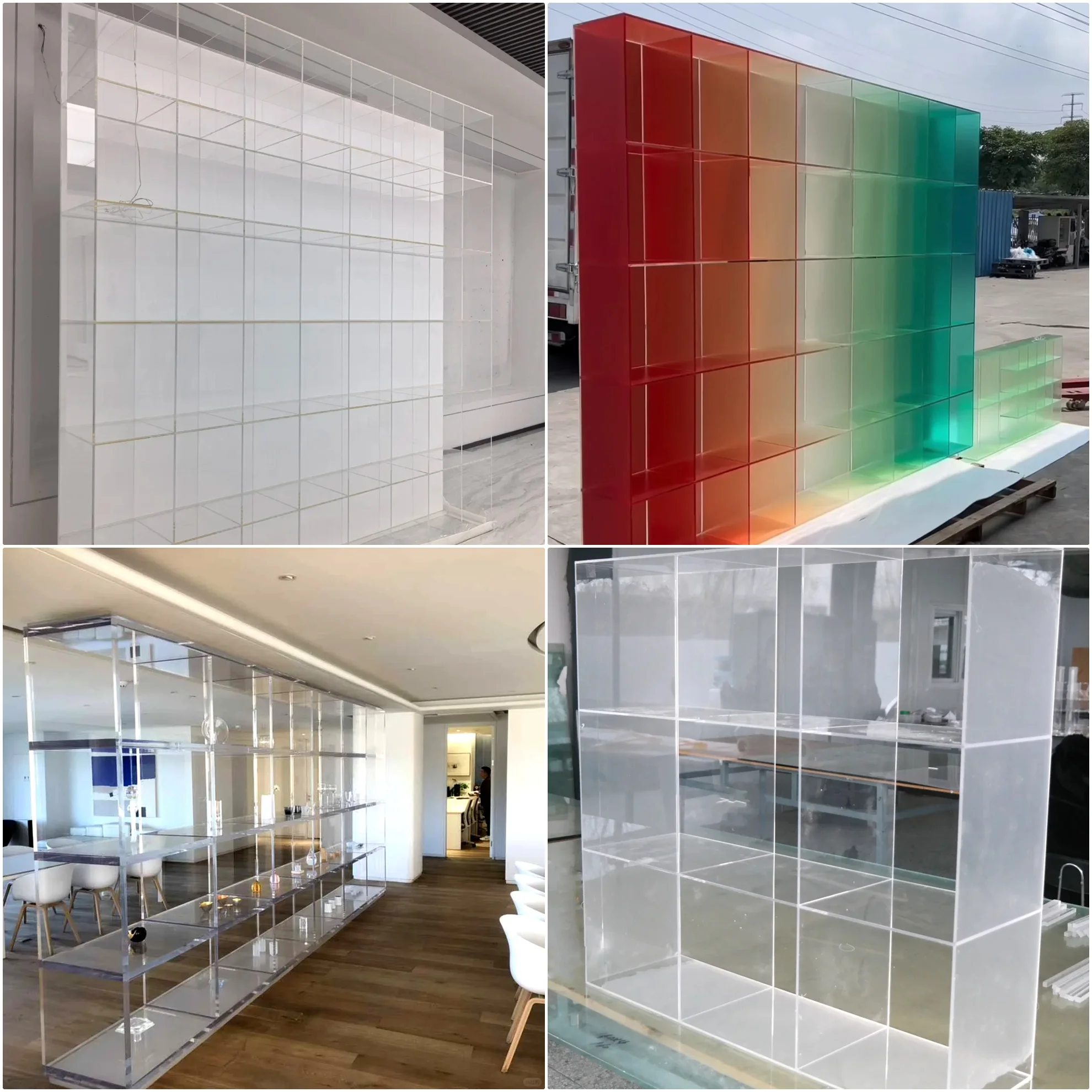
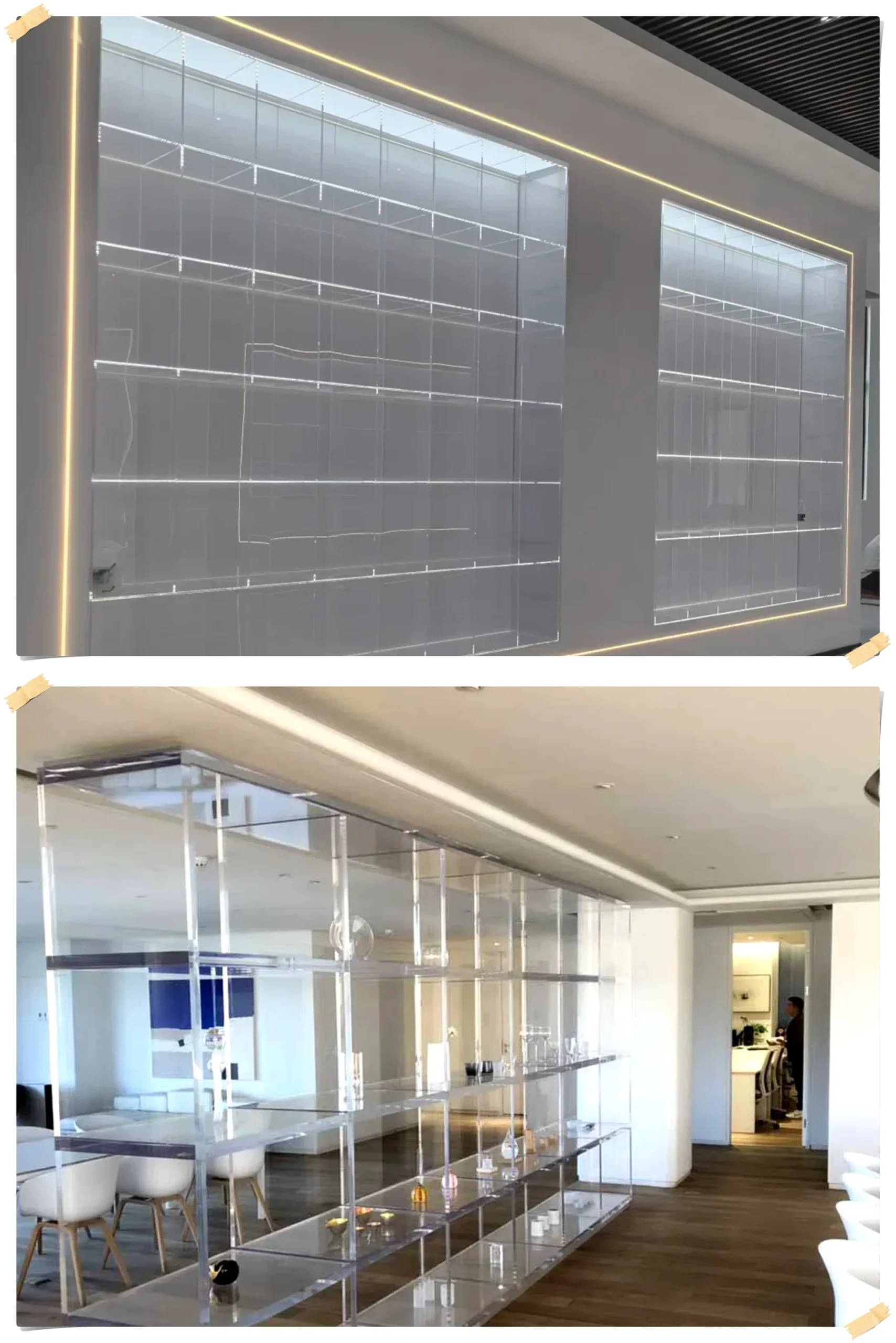
From the visual cases, acrylic panels can be applied in various cabinet designs:
Display Cabinets
- Common in living rooms, studies, and exhibition spaces.
- Transparency makes displayed objects (artworks, books, wine, etc.) appear suspended, enhancing the visual effect.
Partition Cabinets
- Acrylic panels can form open or semi-open cabinets that divide spaces without blocking sight lines.
- Especially suitable for modern minimalist or open-plan interiors.
Lighting-Integrated Cabinets
- By embedding LED strips along the cabinet edges, the acrylic takes on a crystal-like glow, creating a futuristic look.
Colored Acrylic Cabinets
- Gradient or partially tinted acrylic makes the cabinet not just a storage unit, but also a decorative art piece within the space.
Design Value of Acrylic Cabinets
Visual Extension: Transparency reduces the visual bulk of furniture—ideal for compact spaces and minimalist interiors.
Style & Artistic Appeal: Breaks away from the heavy feel of traditional cabinets, adding a sense of lightness and sophistication.
Commercial Value: In retail stores, galleries, or brand showrooms, acrylic cabinets emphasize the displayed items effectively.
Future Trends and Development
With technological and material advancements, acrylic cabinets are expected to evolve in the following directions:
Smart integration: Motion-sensor lighting or interactive displays.
Eco-friendly alternatives: Use of recycled acrylic materials.
Hybrid materials: Combining acrylic with metal, wood, or other textures for richer design possibilities.
This will not only extend their role in home decoration but also strengthen their presence in commercial and artistic spaces.
Frequently Asked Questions
Q1: Are acrylic cabinets prone to scratches? How can I maintain them?
A1: Compared to glass, acrylic is lighter but its surface is slightly softer, which makes it more vulnerable to fine scratches. Use a soft cotton cloth or a specialized acrylic cleaner for maintenance. Avoid abrasive cloths or cleaning agents with particles.
Q2: How strong are acrylic cabinets? Can they hold heavy items?
A2: The load-bearing capacity depends on the thickness and structural design. Acrylic panels over 10mm thick can generally support medium-weight objects (books, decorative items). For heavier items, a reinforced design with metal supports is recommended.
Q3: Do acrylic cabinets turn yellow over time?
A3: Acrylic panels come in two main types: standard and UV-resistant. Standard acrylic may yellow gradually when exposed to direct sunlight or strong UV rays. In contrast, UV-resistant acrylic offers excellent weatherability, maintaining clarity and brightness even after long-term use. For best results, choose UV-resistant panels and avoid prolonged exposure to intense sunlight.
Q4: What’s the difference between acrylic cabinets and glass cabinets?
A4: Glass is harder and more scratch-resistant but also heavier and more fragile. Acrylic, on the other hand, is lightweight, easy to process, and safer—since it doesn’t shatter into sharp pieces. This makes acrylic more suitable for modern and flexible designs.
Q5: Can acrylic cabinets be customized?
A5: Yes. Acrylic is highly versatile and can be tailored in size, color, shape, and lighting effects. It’s ideal for both personalized home interiors and commercial display needs.